File Format Switch Online
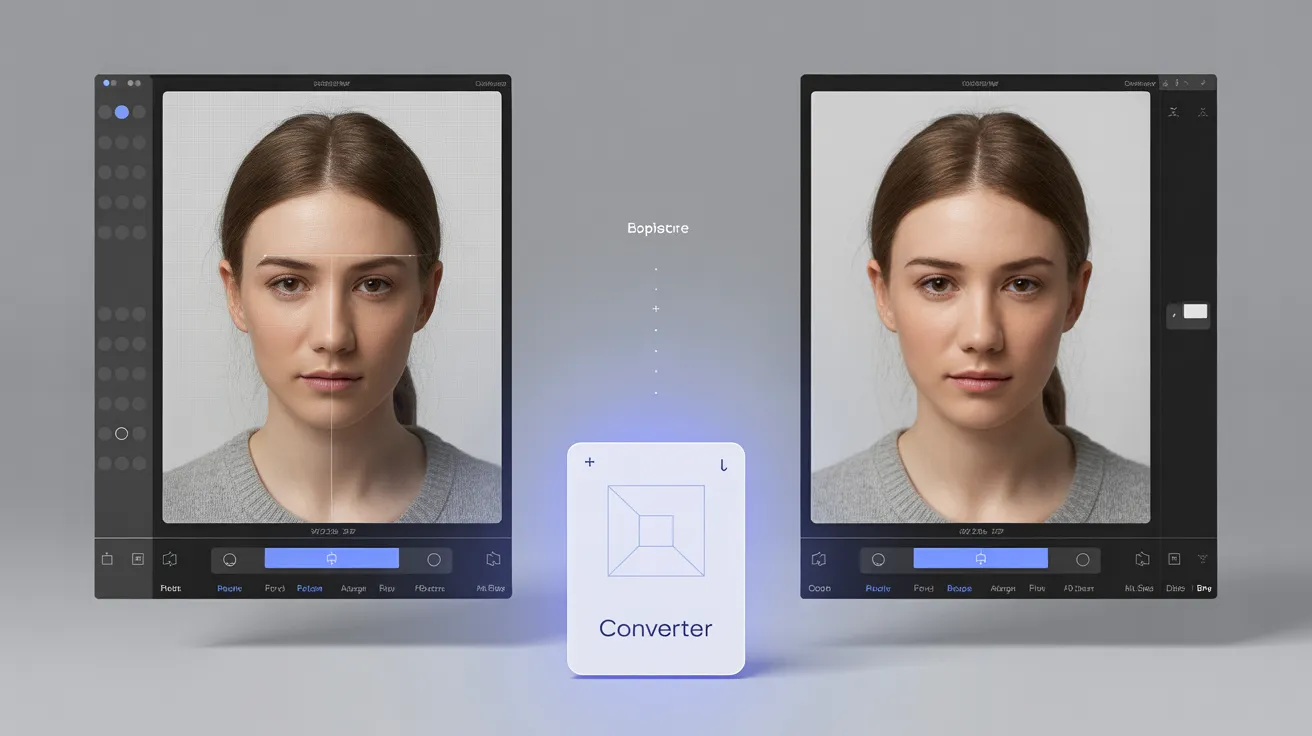
Using a free file converter, you will speedily change images to the right size and format—perfect for sharing, websites, or social platforms. All you need to do is upload your files, select your target output format (including JPEG, PNG, or GIF), and get the output in seconds. These solutions manage multiple file conversions, compress images to save space, and maintain data security. You don't require any specialized knowledge, and you'll satisfy different platform requirements with ease. Keep reading to explore privacy tips, features, and more.
Critical Observations
Why Quick Image Conversion Matters
Whether you're update a website, transfer files to clients, or create images for social media, fast image conversion conserves precious time and energy. It's essential to have your images match the proper format, and often, the appropriate size. Reducing file size is crucial—smaller images improve web loading speed, reduce storage requirements, and simplify sharing. When dealing with multiple images, batch processing is essential. Rather than converting files one by one, batch processing allows you to transform entire folders with minimal effort. This effectiveness is vital in professional workflows where efficiency matters. Quick image conversion guarantees your files are suited for various platforms and devices, boosting productivity and maintaining quality, while meeting specific requirements for size and format.
Core Characteristics of a Professional File Conversion Tool
When picking a high-quality file converter, you should look for features that streamline your workflow and ensure reliable results. Efficient file compression is crucial, helping you to minimize file sizes without compromising image quality. This preserves storage space and makes file transfers quicker. Batch processing is another critical feature—handling multiple files simultaneously saves time and eliminates repetitive tasks. Search for converters with a intuitive interface, so you can quickly navigate options and settings. Quick conversion guarantees you're not waiting around, even with large files. Furthermore, comprehensive security measures protect your data during conversion. Consistent operation, minimal errors, and automated improvements round out the essentials. These features guarantee your file conversion process is smooth, productive, and uniformly superior.
Understanding Supported Image Formats
When working with a free file converter, you'll typically encounter popular image file types including JPEG, PNG, GIF, and BMP. It's important to recognize the variance between lossless formats that preserve image quality, and lossy formats that reduce file size by removing some data. This knowledge enables you to pick the best format for your requirements, whether you're looking for compact files or maximum image quality.
Common Image Formats
Curious about the many image formats you'll work with? You'll find various common types when converting images. JPEGs are popular for photos thanks to compact file sizes and broad compatibility. PNGs excel at preserving transparency and detail, excellent for graphics with clean lines. For vector graphics—images that expand perfectly without loss of detail—SVG is the preferred format. If you need animated images, GIFs are widely supported, though they use limited colors. BMP files are uncompressed and large, but specific applications demand them. TIFF offers flexibility and allows for layering, preferred in publishing and design. WebP strikes a balance between quality and size, increasing in use for web use. Knowing these formats allows you to choose the ideal format for your requirements and guarantees smooth, quick conversions.
Comparing Lossless and Lossy File Formats
Ever pondered why some image files are crystal clear but substantial, while others are small yet a bit unclear? The answer lies in compression techniques. Non-destructive compression formats, including PNG and TIFF, preserve every detail by compressing data without losing any information. This results in perfect quality, but the file size continues to be relatively large. Lossy formats, including JPEG, utilize aggressive compression techniques to shrink file sizes substantially by dropping less visible details. This renders images quicker to share and store, but you'll notice minor quality loss, notably after repeated edits or conversions.
When selecting between lossy and lossless options, you should evaluate what you need in terms of compression and fidelity. Moreover, think about format support—different devices and platforms are limited to specific formats, which may affect your decision.
Simple Steps to Use the Converter
First upload your file straight to the platform. After that, choose your desired output format from the provided options. When processing completes, you can obtain the transformed image immediately.
How to Upload Your Image
Not sure how to begin? Simply click the "Upload" button on the main converter page. You'll see a prompt to browse for your image file from your device. Make sure you know where your file is saved for quick access. Before starting the upload, check your image resolution and file size—higher resolution images and larger files may require longer to upload, based on your internet connection. Most converters support common formats like JPG, PNG, or GIF, but confirm your file type is compatible. Once you choose your file, the upload process will begin automatically. You'll observe a progress bar revealing the upload status. Don't exit the tab during this operation. After the upload completes, you're prepared to continue with the next step in the conversion operation.
Determining Output Format
When your image finishes uploading, you'll need to select the required output format from the available formats available in the converter. Selecting the right format is a crucial step, as it determines how your image will be saved and utilized in the future. Most conversion tools offer typical formats like JPG, PNG, GIF, BMP, and TIFF, so you can select the option that fits your purposes. Use the dropdown menu to make your selection—various programs even display short summaries of the formats to guide your choice.
Depending on the converter, you could also discover output customization options. These let you modify settings including picture quality, compression level, or color depth before starting the conversion. Carefully select these options to make sure your converted image matches your exact needs. Verify your options before continuing.
Downloading Your Converted Image
How can you save your newly converted image? When the conversion process ends, you'll notice a visible download control. Click it to instantly save the processed file on your system. When using file compression or image resizing, the as mentioned here saved image will show the adjustments—configured for the dimensions and size you selected. The file typically saves to your downloads directory; verify that location if the file seems missing.
For your security, be certain the download is finished before closing the converter page. In cases of multiple image conversion, you could receive a ZIP file containing all outputs. Unpack these files using common file management tools. Remember the quality of file compression and image resizing influences your downloaded image quality and usefulness, so check the results before sharing or printing.
Analyzing Free and Paid Image Conversion Software
While evaluating image conversion tools, you'll notice distinct differences between free and paid solutions. Free tools typically offer a basic user interface that's user-friendly but might not include sophisticated capabilities or personalization features. You could experience ads or upload limitations, which may impact your productivity. Paid solutions generally deliver a refined user interface, including batch conversions, enhanced resolution exports, and additional format options.
Customer support stands out as an important distinction. Free converters typically provide limited help; if you encounter issues, you'll typically depend on user forums or documentation. In comparison, paid solutions commonly offer responsive customer support, enabling you to resolve problems quickly. In the final analysis, your decision is based on your individual needs—if you value user-friendly features, advanced capabilities, and assistance, opting for a paid option could be beneficial.
Security and Privacy During File Conversion
While free file converters provide convenience, it's essential to examine how they manage your data during the conversion process. When you transfer images to a converter, you're trusting the platform with possibly sensitive content. Make sure the service implements strong encryption standards for both data transit and storage. Robust encryption protects your files from interception. Before submitting, review the service's data policies to understand how your data is processed. Reputable converters should state whether they retain, share, or remove your files after processing. If you don't observe transparent privacy guidelines, reevaluate using that service. Taking these safety measures helps you protect your personal data and ensures that your converted images stay protected throughout the operation. Invariably emphasize security over convenience.
Tips for Optimizing Transformed Pictures
To achieve superior converted images with efficient file sizes, concentrate on adjusting format settings before downloading. Initialize by selecting the ideal image resolution—increased resolution delivers better clarity but increases file size. For web use, choose a medium resolution to create an optimal balance between clarity and loading speed. Subsequently, adjust color depth depending on your requirements. Reduced color depth shrinks file size but could impact gradients and subtle tones, while increased color depth preserves color fidelity at the cost of larger files. Remember to preview your output to verify visual quality matches your expectations. Finally, pick the most suitable format (JPEG, PNG, or WebP) for your intended application. These measures guarantee your converted images are both high-quality and properly sized for every use.
Popular Questions
Is There a Limit to the Number of Files I Can Convert per Day?
With regard to file conversions, you don't want to bite off more than you can chew. You'll need to monitor conversion limits, because many platforms implement daily usage restrictions to maintain equitable usage and maintain performance. These daily limits usually cap your file quantity, overall size, or number of conversions. Make sure to check the service's specific guidelines so you don't hit a wall during your conversion tasks.
Can I Use the Converter on My Smartphone or Tablet?
You can use the converter on your mobile device, due to its mobile-friendly design. The responsive layout guarantees seamless performance on different devices, so you won't experience major device limitations. Simply visit the converter using your mobile browser, select your files, and begin converting. It's not necessary to install additional applications, making the conversion straightforward and convenient. Make sure your device has a reliable internet connection for ideal results.
Is Internet Connectivity Required for Using the Tool?
Similar to how a car requires fuel to operate, this tool depends on an internet connection to work. The tool won't work without internet access, so web access is necessary for handling uploads, processing files, and obtaining results. In case your internet disconnects, your process could fail or stop midway. Staying online is necessary throughout the entire process to ensure smooth performance and proper file processing each time.
Do Converted Images Contain Watermarks?
During image conversion, you generally aim to guarantee there's no watermark inserted into your files. The majority of trusted tools focus on watermark removal, meaning your finished images retain high image quality. You won't have to worry about distracting logos or marks impacting your visuals. Make sure to review the tool's policy, but you can expect professional-grade conversions that respect your original content. If maintaining image quality matters, you can rely on reliable converters.
What's the Process for Reporting Problems or Suggesting Features?
If you come across an issue or want to suggest a new feature, you can use the feedback submission option commonly found in the app's help menu. This is the section where you can clearly describe any issues or provide feature requests. Be sure to provide specific details, so that the development team can resolve your issues promptly. Your feedback contributes to improving the service and ensures that new features meet users' needs.
Final Overview
Think of a file converter as a pathway, transferring your images from one side to another—rapidly, reliably, and smoothly. With the ideal tool, you're not just converting formats; you're unlocking fresh opportunities and clearer communication. By choosing a reliable, safe converter and fine-tuning your files, you keep your digital world structured and effective. Move forward across that bridge—your images will appear refined and set for future use. Your workflow deserves nothing less.